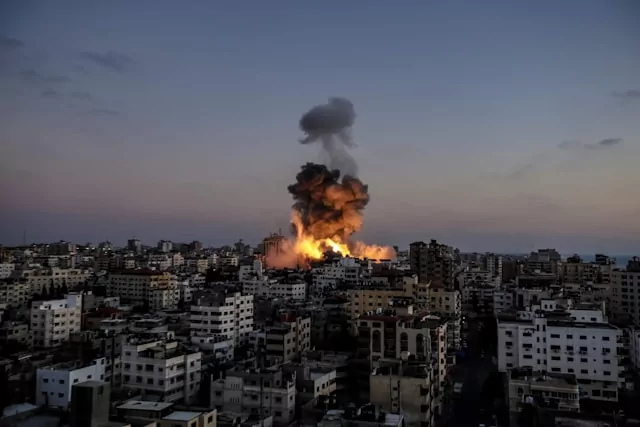
The European wood processing plant invested in a modern pellet production facility. While the explosion risks were documented, but their resolution did not occur. Soon a situation arose which changed everything.
Problem Statement
The company processed wood from sawing raw logs to producing planks, beams, and battens. Waste sawdust was further utilised for the production of pellets and briquettes. The entire process line was housed in a new hall, and the value of the plant was approximately 8 million euros.
Our representative met with the safety engineer. Their existing documentation clearly described explosion risks, yet the plant itself was not protected at all. The customer decided, at the time, not to implement any protective measures, stating that the operation is fully insured and no further investment is deemed necessary at present.
What happened?
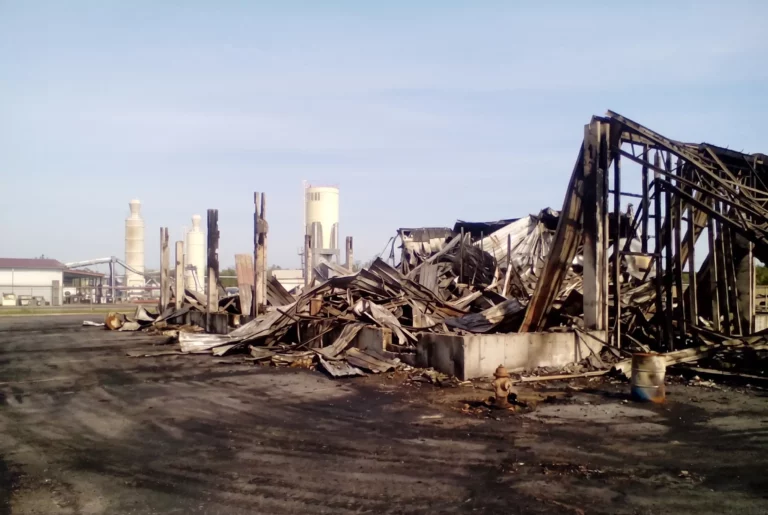
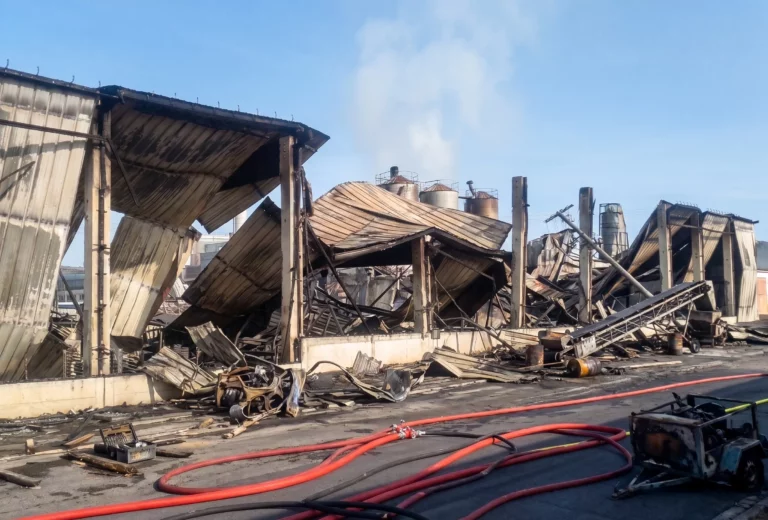
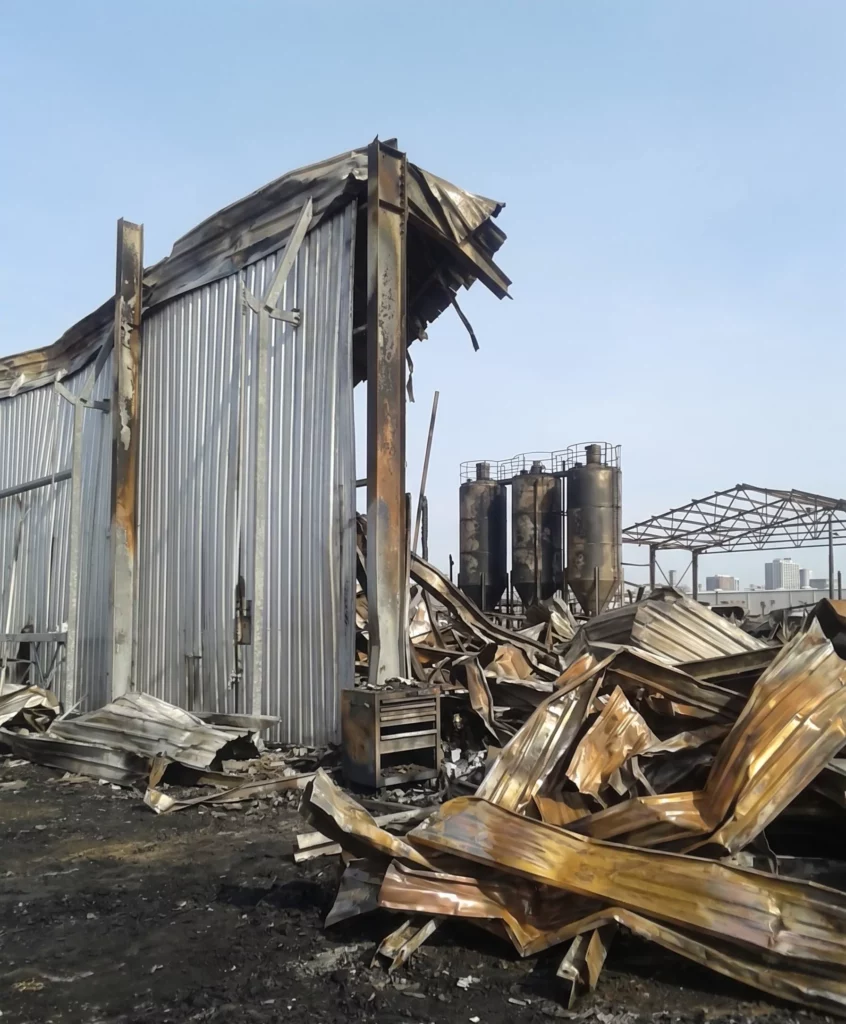
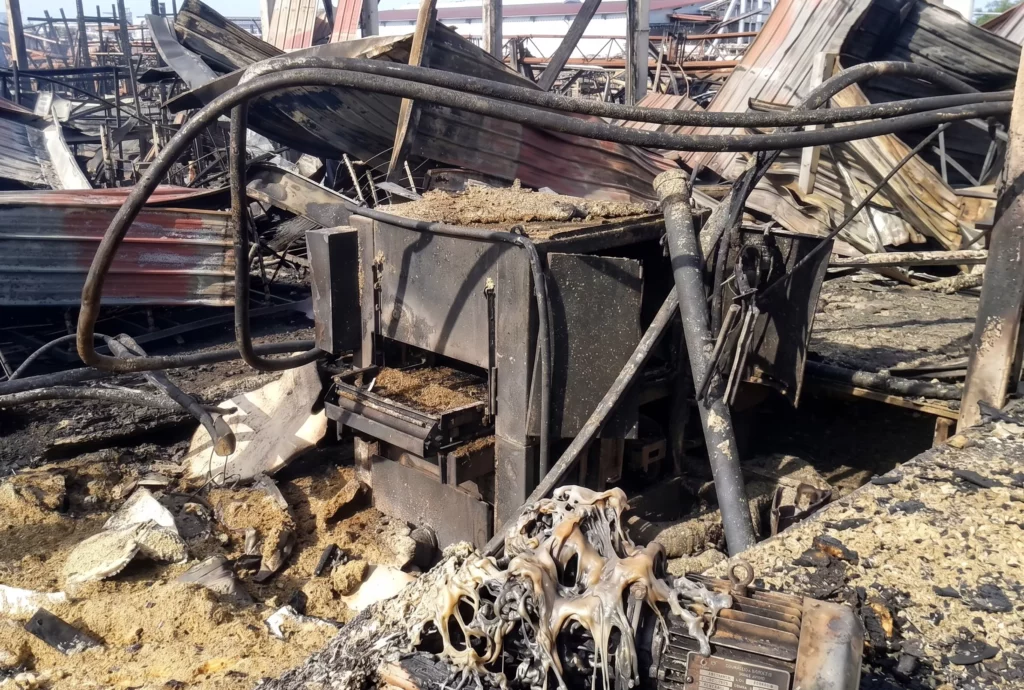
Shortly after the visit, an explosion occurred at the plant. The probable cause was overheating in a drum dryer, from which incandescent particles entered the air stream. Due to a sufficient concentration of dust, an explosion occurred, and spread throughout the entire process line.
The new hall was seriously damaged – roof panels were torn off and supporting structures deformed. This restricted operations and required costly reconstruction.
Consequences
- extensive damage to the manufacturing facility
- endangered health and lives of employees
- the insurance payout did not cover all the damages incurred
- production was suspended for several months
- subsequent investigation into the causes and responsibility
Customer Review
Plant Safety Engineer: “If we had adopted the safety recommendations we wouldn't have had to deal with the consequences of the explosion.”
What does this mean in practice?
New technology in itself does not guarantee safe operation. The risk of an explosion is determined by the presence of combustible dust, ignition sources, and the level of protection. The operator was aware of the risks but decided not to invest in the protection system. The costs of protection prove to be insignificant compared to the impact of such events.